)-5.png)
How to Paint a Concrete Garage Floor: An NZ How To Guide
To paint a concrete garage floor, first check the slab is dry with a 24 hour plastic sheet test. Then clear it, degrease it, grind or etch the surface, fill cracks, and roll on two coats of a proper floor coating. Prep is 80 percent of the job. Skip it and the paint peels.
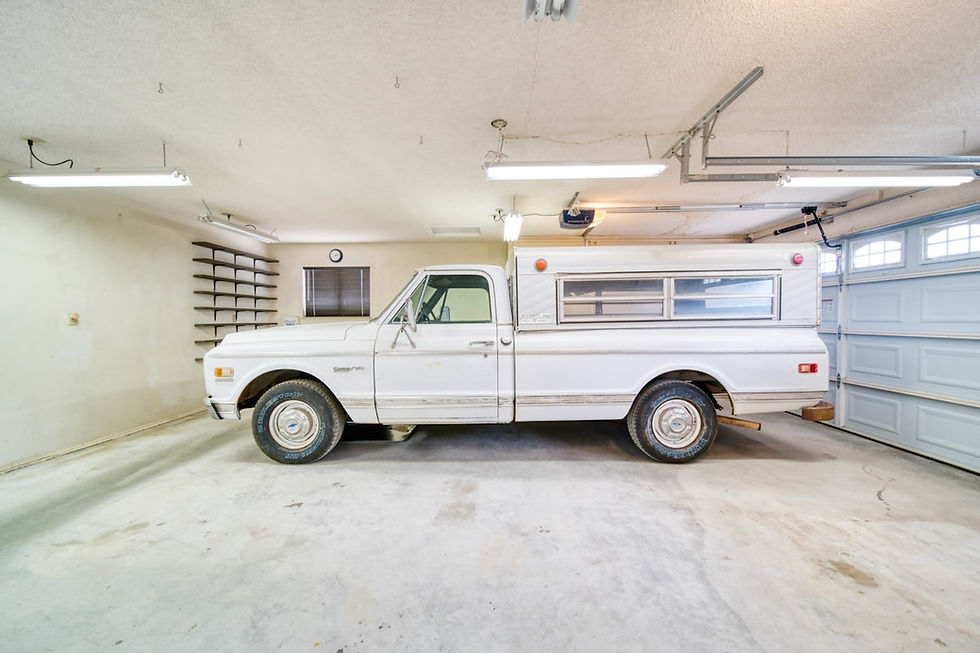
Your garage floor is grey, dusty, and covered in oil spots. Every time you sweep it, more of it turns into dust. So you go to Bunnings, grab a tin of garage floor paint, and figure it's a Saturday job.
It can be. But the reason so many DIY garage floors are peeling in strips within a year has almost nothing to do with the paint. It's the prep. Concrete is a fussy surface, and if you don't give the coating something to grip, it will let go.
Can you actually paint a concrete garage floor yourself?
Yes. A single garage is a realistic weekend project for someone who's comfortable with tools and doesn't mind hard work. A double garage is two solid days.
The catch is that painting a concrete garage floor is less like painting and more like preparing a surface that happens to get painted at the end. The rolling takes an hour or two. The prep takes most of the time and all of the effort.
If your slab is newly poured, wait. New concrete needs a minimum of 28 days to cure before you coat it. Paint it early and the moisture still leaving the slab will push the coating straight back off.
How do you know if your slab is dry enough to paint?
This is the step almost everyone skips, and it's the one that decides whether your floor lasts five years or five months.
Tape a square of clear plastic sheet, roughly 500mm by 500mm, to the concrete on all four edges. Leave it 24 hours. Lift a corner. If there's condensation under the plastic or the concrete underneath looks darker, moisture is rising through the slab and no coating will stick to it.
This matters more in New Zealand than people think. Plenty of older Auckland garages sit on slabs with no damp proof membrane, or one that's failed. Add our humidity and a garage that never really dries out over winter, and you've got a slab that's quietly wet from underneath.
If the plastic sheet test comes back damp, you have two options: fix the drainage and moisture source, or use a moisture tolerant coating system designed for damp slabs. Standard garage floor paint is not one of those.
What are the signs your garage floor needs more than paint?
Not every floor is a paint job. Look for these before you spend a cent:
Powdery, chalky dust that keeps coming back no matter how often you sweep. That's a weak, dusting surface and it needs sealing or grinding back, not just a coat of paint.
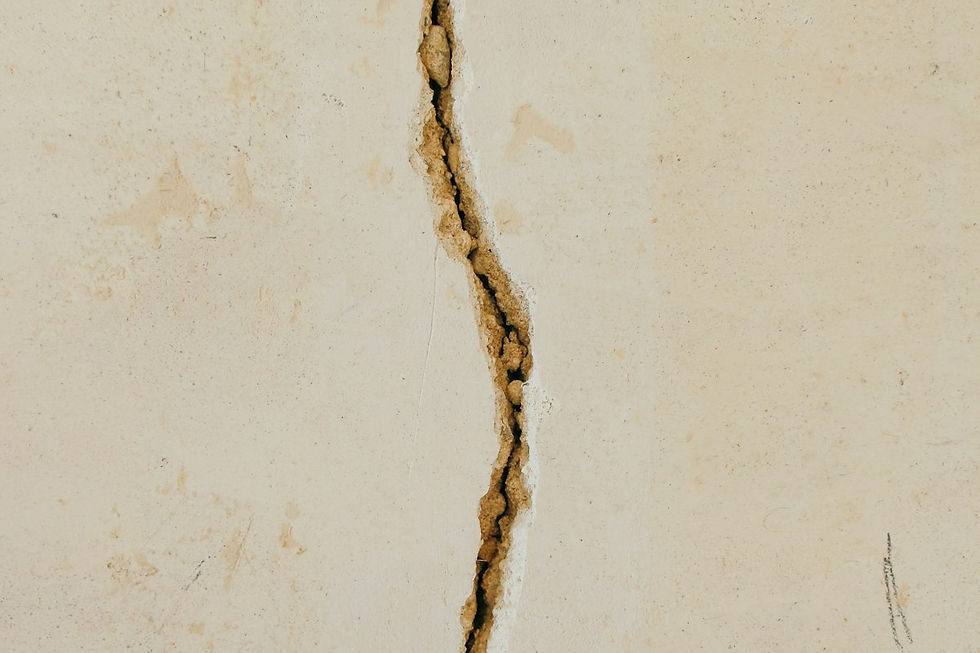
Cracks wider than about 3mm, or cracks with one side sitting higher than the other. That's movement, and paint won't bridge it.
Damp patches that appear without any obvious spill, especially after rain. That's moisture coming up through the slab.
Existing paint or sealer that's already flaking. Everything loose has to come off first, and that's a much bigger job than painting bare concrete.
Heavy oil staining that's soaked deep in. Oil is a bond breaker. If you can't get it out, the coating won't stick over it.
If two or more of those apply, get someone to look at it before you commit. The prep is the expensive part either way, and doing it twice is the worst outcome. The same principle applies indoors, which we covered in our guide to prepping walls before painting.

Epoxy or acrylic? Choosing the right garage floor coating
Walk into a paint shop and you'll be offered two broad families, and they behave very differently.
Two pack epoxy is the hard wearing option. Two components you mix on the day, a limited pot life, and a finish that shrugs off tyres, tools and oil. It's what you want if you actually use the garage as a garage. Dulux, Resene and specialist NZ suppliers all sell water based two pack epoxy systems, and a 4L kit sits around the 200 to 250 dollar mark.
Single pack acrylic concrete and paving paint is cheaper, easier, and forgiving. It's brush and roller friendly, cleans up with water, and works well on paths, patios and light duty garage floors. It won't stand up to a car parked on it every day the way epoxy will. Dulux NZ sells its concrete and paving range as slip resistant and tintable, and it's a sensible choice for a floor that mostly stores bikes and boxes.
Be careful with anything at the cheap end labelled epoxy floor paint. A lot of it is single pack acrylic with a splash of epoxy resin in it for the label. It dries by evaporation, not by chemical cure, and it will not survive a hot tyre.
How do you paint a concrete garage floor? The step by step
Assume three days from start to driving on it. Two days of work, one of waiting.
Empty the garage completely and do the plastic sheet moisture test 24 hours before you plan to start. Don't start until it comes back dry.
Sweep, then degrease. Scrub every oil and grease spot with a strong concrete degreaser and a stiff brush, rinse, and repeat on anything that's still darker than the surrounding concrete. Oil left in the slab is the single most common cause of a patchy, peeling floor.
Open up the surface. Mechanical grinding with a hired concrete grinder and a diamond disc gives the best key and is what the pros use. Acid etching with a diluted etching solution is the DIY alternative and works on new, lightly contaminated concrete, but it's less reliable on old sealed slabs. If your floor is sealed or previously painted, grinding is not optional.
Vacuum properly. An industrial vacuum, not a household one. Then wipe the slab down and let it dry completely. Any dust left behind becomes a bond breaker.
Fill cracks and pits with a concrete repair filler or epoxy patching compound, and let it cure fully. Feather the edges flat so you can't feel them underfoot.
Prime if the system calls for it, then cut in the edges with a brush. Work out from the back wall toward the roller door so you don't paint yourself into a corner.
Roll the first coat in a single direction with a long nap roller on an extension pole, working in strips of about a metre so you keep a wet edge. Follow the recoat time on the tin exactly. Then apply the second coat at right angles to the first.
Then wait. Foot traffic is usually fine after 24 to 48 hours, but do not park a car on it for at least 7 days. Driving on a coating that hasn't fully cured is how you get hot tyre pick up, where a warm tyre grips the soft coating and lifts it off in patches. If you're working out how much product to buy, our guide on how much paint you need covers the same coverage maths.

When is the best time to paint a garage floor in NZ?
Late spring through early autumn. Most floor coatings want a surface temperature above 10 degrees and relative humidity under about 85 percent to cure properly.
An Auckland garage in July is often neither. It's cold, it's damp, the slab is holding moisture, and a two pack epoxy that cures too slowly stays soft and tacky for far longer than the tin says.
Aim for a run of three or four dry days with mild temperatures.
Keep the roller door open during application and curing for airflow, but not so open that wind blows grit onto a wet floor.
Don't paint on a day when the slab is cold and the air is warm. That's a condensation trap.
If you're stuck doing it over winter, it can be done, but you'll want a moisture tolerant product and realistic expectations about cure times. We went into the temperature and humidity side of this in more detail in our winter painting guide.
Our take: the prep is the job
The most common failure we see on DIY garage floors isn't a bad product choice. It's a good product applied to a floor that was swept but never actually prepared.
Concrete looks clean long before it is clean. It holds oil, dust, curing compounds and old sealer deep in its pores, and none of that is visible from standing height. Grinding is loud, dusty and slow, and it's the difference between a coating that's bonded to the slab and one that's just sitting on top of it waiting for a warm tyre.
Be honest about the job in front of you. A tidy, dry, unsealed slab is a genuine DIY weekend. An old Auckland garage with a damp slab, thirty years of oil, and flaking paint from a previous owner is a different job entirely, and that's when it's worth getting a quote instead.
Painting a Concrete Garage Floor: Frequently Asked Questions
How much does it cost to paint a garage floor in NZ?
For DIY, budget 250 to 500 dollars for a single garage: a two pack epoxy kit is roughly 200 to 250 dollars for 4L, plus degreaser, filler, rollers and a grinder or polisher hire for the day. A professionally coated floor costs significantly more, but includes the mechanical prep that most DIY jobs skip.
Do I need to etch or grind the concrete before painting?
You need to do one or the other. Grinding gives a better, more consistent key and is essential on sealed or previously painted floors. Acid etching is the cheaper DIY route and works acceptably on bare, new, lightly contaminated concrete. Coating a smooth untreated slab is asking for peeling.
How long before I can park my car on a newly painted garage floor?
At least 7 days for a two pack epoxy, and check the tin because some systems want longer. Light foot traffic is usually fine after 24 to 48 hours. Driving on a floor that hasn't fully cured is the fastest way to lift the coating.
Why is my garage floor paint peeling?
Almost always one of three things: moisture rising through the slab, contamination like oil or dust left on the surface, or no mechanical key because the concrete was never ground or etched. A fourth cause is using a single pack acrylic where a two pack epoxy was needed.
Can I paint over an already painted garage floor?
Only if the existing coating is completely sound. Scrape and test it, and if anything lifts, all of it has to come off, usually by grinding. Coating over failing paint just means your new floor fails on the same schedule as the old one. The same rule applies to any surface, as we covered in our wall prep guide.
What's the best paint for a concrete garage floor in New Zealand?
For a working garage with a car in it, a water based two pack epoxy from a recognised brand like Dulux or Resene. For a light duty garage used for storage, a quality single pack concrete and paving paint is enough and much easier to apply. Match the product to the traffic, not to the price.
Not sure your slab is worth painting? Get it looked at first.
We paint and coat concrete garage floors across Auckland, and the first thing we check is whether the slab is dry and sound enough to hold a coating. If it isn't, we'll tell you that before you spend money on paint.
If you'd rather skip the grinder hire and the guesswork, we'll come and give you an honest assessment and a free quote.


Comments